

Joints play a vital role in every movement the body makes, from walking and bending to gripping and stretching. As the years pass, many people begin to notice stiffness, discomfort, or reduced mobility in areas like the knees, hips, and fingers. These changes are common with aging, but they are not always well understood. Knowing what happens inside the joints over time helps explain why these symptoms occur and what can be done to manage them. By understanding the biological changes and contributing factors, it becomes easier to take proactive steps that support joint health and mobility for years to come.
Why Joint Function Declines Over Time

As people grow older, the cartilage that cushions the ends of bones starts to wear down. Cartilage acts like a shock absorber, allowing joints to move smoothly without friction. When this protective layer thins, movement becomes less fluid, and bones may begin to rub together. This process often results in stiffness, discomfort, or cracking sounds during motion.
Another key change is the gradual decrease in synovial fluid, which lubricates the joints. This fluid keeps movement smooth and reduces wear between bones. With age, the body produces less of it, and its quality may also decline. Less lubrication increases friction inside the joint, making everyday actions more difficult.
The Role of Osteoarthritis in Aging Joints

Osteoarthritis is one of the most common conditions affecting joints as people age. It develops when the protective cartilage that cushions bones gradually breaks down. As this cartilage wears away, bones begin to rub against each other, causing pain and swelling. This condition tends to affect joints that bear weight, such as the knees, hips, and spine.
Symptoms of osteoarthritis often start gradually and worsen over time. Many people notice a reduced range of motion and stiffness, especially after periods of inactivity. While aging increases the risk, other factors like previous injuries, excess weight, and repetitive stress can also play a role. Managing these risk factors can slow the progression and reduce discomfort.
How Muscle Loss Affects Joint Stability

Muscles support the joints by providing strength and stability during movement. As the body ages, muscle mass naturally decreases, a process known as sarcopenia. This loss weakens the support system around joints, making them more vulnerable to stress and injury. Without strong muscles, joints often have to absorb more impact than they are designed to handle.
Weaker muscles can also affect posture and alignment, placing joints in awkward positions during movement. Over time, this misalignment can increase joint wear and discomfort. Balance may also suffer, raising the risk of falls and further joint damage. Maintaining muscle strength through resistance exercises is a key part of protecting joint function.
Inflammation and Its Long-Term Impact

Inflammation is the body’s natural response to injury or infection, but when it becomes chronic, it can harm joint health. As people age, they are more likely to experience ongoing, low-grade inflammation that slowly damages cartilage. This hidden inflammation may not cause immediate pain, but over time, it contributes to joint stiffness and degeneration. In many cases, it is linked to lifestyle factors such as poor diet, stress, or lack of physical activity.
Chronic inflammation can also play a role in autoimmune conditions like rheumatoid arthritis. These disorders mistakenly target the joints, causing swelling, pain, and erosion of bone and cartilage. Left unchecked, inflammation accelerates joint damage and reduces mobility. Managing inflammation through healthy habits can preserve joint health and reduce long-term risks.
The Influence of Lifestyle Choices on Joint Health

Daily habits have a significant effect on how joints age and function. Regular movement helps maintain flexibility, strengthens muscles, and supports joint stability. In contrast, a sedentary lifestyle allows stiffness to set in and can accelerate the weakening of surrounding structures. Over time, inactivity increases the likelihood of pain and mobility issues.
Weight also plays a major role in joint strain, particularly in the knees and hips. Carrying extra pounds places constant pressure on these joints, speeding up wear and tear. Smoking and poor nutrition can interfere with blood flow and reduce the body’s ability to repair joint tissue. Developing healthy habits early makes it easier to maintain joint comfort and mobility later in life.
The Emotional and Psychological Toll of Joint Decline
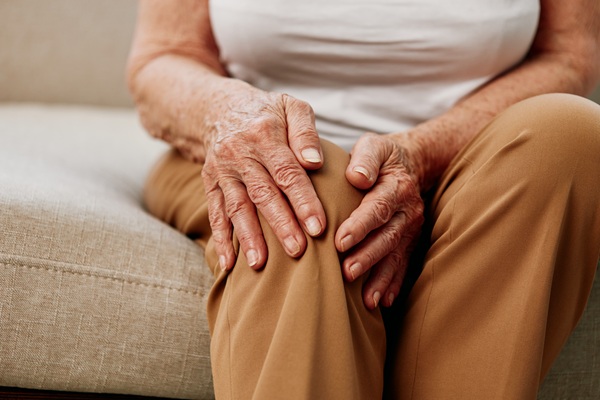
Living with chronic joint pain can impact more than just physical health. Many people begin to limit their activities, which may lead to a sense of isolation or frustration. When everyday tasks become painful, confidence in movement often decreases. This loss of independence can affect mood and emotional well-being.
Over time, ongoing discomfort may contribute to depression or anxiety. People may avoid social events, exercise, or hobbies they once enjoyed. Acknowledging these emotional challenges is an essential step in managing the full impact of joint issues. Support from healthcare providers, friends, and mental health professionals can make coping with joint decline more manageable.
Proactive Steps for Healthier Joints as You Age

Taking early steps to care for joints can greatly reduce long-term damage. Low-impact exercises like swimming, yoga, or walking improve flexibility without placing too much stress on the joints. Strength training also helps by building muscle that supports joint function. These activities can be adjusted to fit individual fitness levels, making them accessible to most people.
A healthy diet plays an equally important role in joint health. Nutrients like calcium, vitamin D, and omega-3 fatty acids support bone strength and reduce inflammation. Supplements such as glucosamine or chondroitin may also be helpful for some individuals. When combined with regular checkups, these efforts help maintain joint mobility and comfort well into older age.
The Power to Protect Your Joints Is in Your Hands
Joint changes are a natural part of aging, but they do not have to control your quality of life. By staying active, maintaining a balanced diet, and making mindful choices, it becomes possible to ease discomfort and stay mobile. Paying attention to both physical and emotional well-being offers a more complete approach to joint care. Aging may bring challenges, but with consistent effort, the body can remain strong, flexible, and capable of moving through life with confidence and less pain.


